Column · @bloomguide17
Why Are Lotus Flowers Sacred in Hindu Traditions?
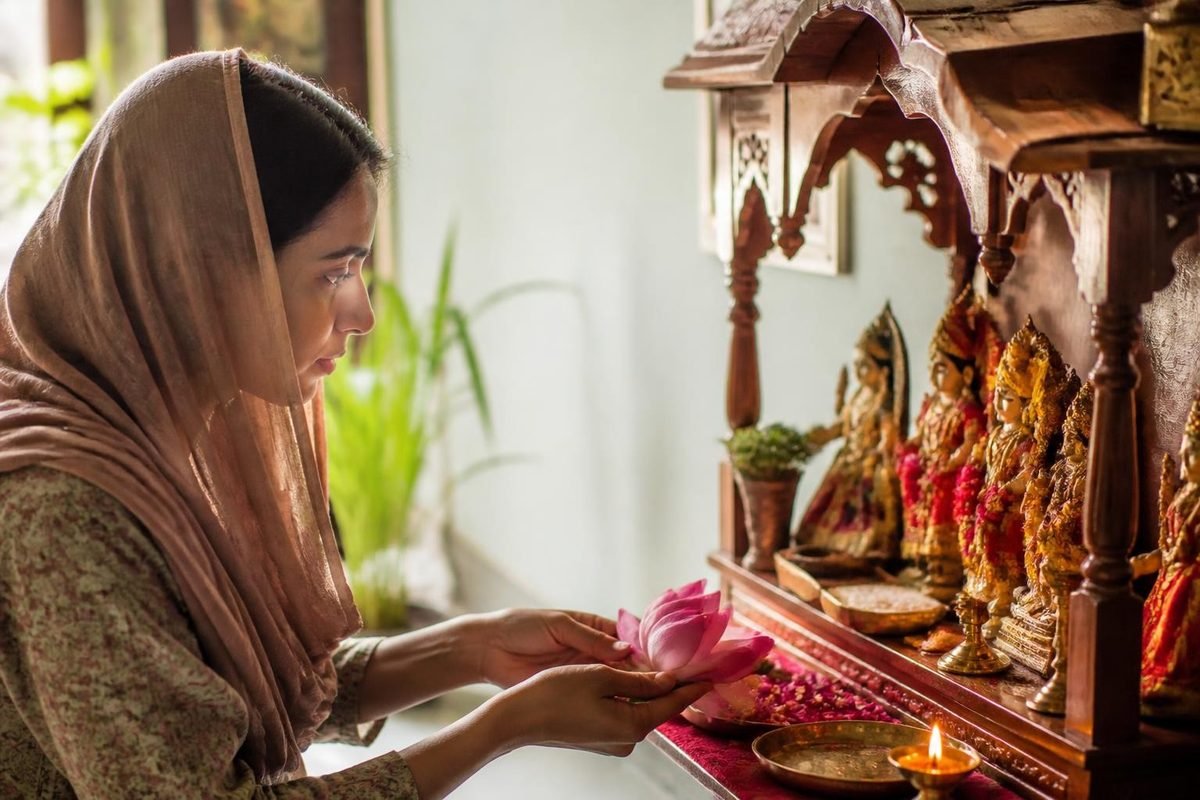
Lotus flowers are sacred in Hindu traditions because they symbolize purity, spiritual growth, and divine beauty. Their roots grow in mud while their flowers rise above the water, an image often used to suggest a life in the world that is not ruled by its troubles.
A flower that rises from water
A lotus pond offers a vivid contrast. Leaves rest on the surface, stems reach through the water, and flowers open above it. Mud is part of the plant’s home, yet the bloom appears clean. This contrast helps explain why the lotus is associated with purity in Hindu thought.
The flower also gives people a way to picture spiritual growth. Just as a lotus grows from muddy water toward the light, a person can seek wisdom while living among ordinary concerns. The image does not require a retreat from daily life. It can speak to someone working, caring for a family, or facing a difficult choice.
Lotus leaves are also known for shedding water. Drops bead on their surfaces rather than soaking in easily. This quality has often served as an image of detachment, or acting in the world without being consumed by attachment to results.
The lotus and Hindu deities
In Hindu art, the lotus appears as a seat, a symbol held in the hand, and a setting for divine figures. Its meaning depends on the deity and the story being told.
- Lakshmi, associated with prosperity and well being, is often shown seated or standing on a lotus and holding lotus flowers.
- Vishnu is frequently depicted holding a lotus among his attributes.
- Brahma is commonly shown seated on a lotus. In a well known account of creation, the lotus grows from Vishnu’s navel and Brahma emerges from it.
- Saraswati, associated with knowledge and the arts, may also be depicted seated on a lotus.
These images connect the flower with more than one idea. It can suggest purity and beauty, but also creation, knowledge, and abundance. Details vary across regions, artworks, and traditions.
Lotuses in worship and daily life
Flowers are common offerings in Hindu worship, and a lotus may be offered where it is available. A person might place flowers before an image of a deity at home or bring them to a temple. The act can express devotion and respect, though customs differ among families and communities.
The lotus also appears in temple decoration, paintings, and patterns used in worship. Someone passing a carved doorway or arranging a small shrine may encounter its shape without seeing a living flower. The familiar form carries the association into everyday spaces.
Questions about the sacred lotus
Is the lotus sacred only in Hinduism?
No. The lotus also holds religious significance in Buddhism and other Asian traditions, though its meanings and uses can differ.
Does every Hindu deity sit on a lotus?
No. Many deities have other seats, poses, and symbols. Even a deity often shown on a lotus may be portrayed differently.
Must a lotus be used in Hindu worship?
No. Worship practices vary, and many other flowers and offerings are used.
What does the lotus mean in the Bhagavad Gita?
The Bhagavad Gita uses the image of a lotus leaf untouched by water to describe a person who acts without attachment.
Take a look at timing a gift delivery